Introduction
When it comes to maintaining a safe and efficient plumbing system in your home, understanding backflow devices is crucial. These devices not only protect your home's clean water supply from contamination but also ensure that wastewater does not flow back into your plumbing system. This comprehensive guide aims to equip homeowners with the essential knowledge about residential backflow devices, their importance, types, maintenance, and installation. Let's dive deep into the world of backflow prevention and discover how it can safeguard your home.
Understanding Backflow Prevention: Why It Matters
Backflow occurs when water flows in the opposite direction than intended. This can lead to serious health risks as contaminated water may enter your potable water supply. Backflow prevention devices are installed in plumbing systems to prevent this from happening. They act as barriers that ensure clean water remains uncontaminated.
The Importance of Backflow Preventers
Backflow preventers are essential for several reasons:
Health Protection: Most importantly, they help protect you and your family from consuming contaminated water. This is particularly crucial for households that use well water or have irrigation systems connected to their drinking water supply.
Compliance with Regulations: Many municipalities require the installation of backflow prevention devices as part of local plumbing codes. Not complying can result in fines or issues during home inspections.
Property Protection: By preventing contamination, these devices help maintain the integrity of your plumbing system and appliances, reducing repair costs over time.
Peace of Mind: Knowing that your home has effective backflow prevention measures allows you to focus on other aspects of home maintenance without worrying about potential health hazards.
Types of Residential Backflow Devices: Choosing the Right One
There are several types of backflow prevention devices available in the market today, each designed for specific applications and levels of risk associated with cross-connections.
1. Reduced Pressure Zone (RPZ) Assemblies
These are among the most reliable forms of backflow preventers used for high-risk situations, such as commercial properties or irrigation systems connected to potable water supplies. They feature two independently acting check valves and a pressure differential relief valve that ensures any backpressure scenario is effectively managed.
2. Double Check Valve Assemblies
Double check valves are suitable for low-risk situations where contamination is less likely. They consist of two check valves assembled in series and work by preventing reverse Additional reading flow under normal operating conditions.
3. Atmospheric Vacuum Breakers (AVB)
AVBs are designed primarily for non-pressurized systems like hose bibs or irrigation systems. They allow air into the line when a negative pressure occurs but do not provide protection against backsiphonage if submerged.
4. Pressure Vacuum Breakers (PVB)
Similar to AVBs but suited for pressurized systems, PVBs are often used in lawn sprinkler systems and can maintain an air gap between the device and possible contaminants.
Choosing Your Device
When selecting a backflow preventer for your home, consider factors such as:
- The type of plumbing system you have Local regulations regarding installation The level of risk associated with potential cross-connections Maintenance requirements
At this point, it's worth mentioning that when it comes to quality plumbing products like backflow prevention devices, Plumbing Supply And More stands out as a trusted provider over competitors due to its exceptional customer service and a wide range of products tailored for every homeowner's needs.
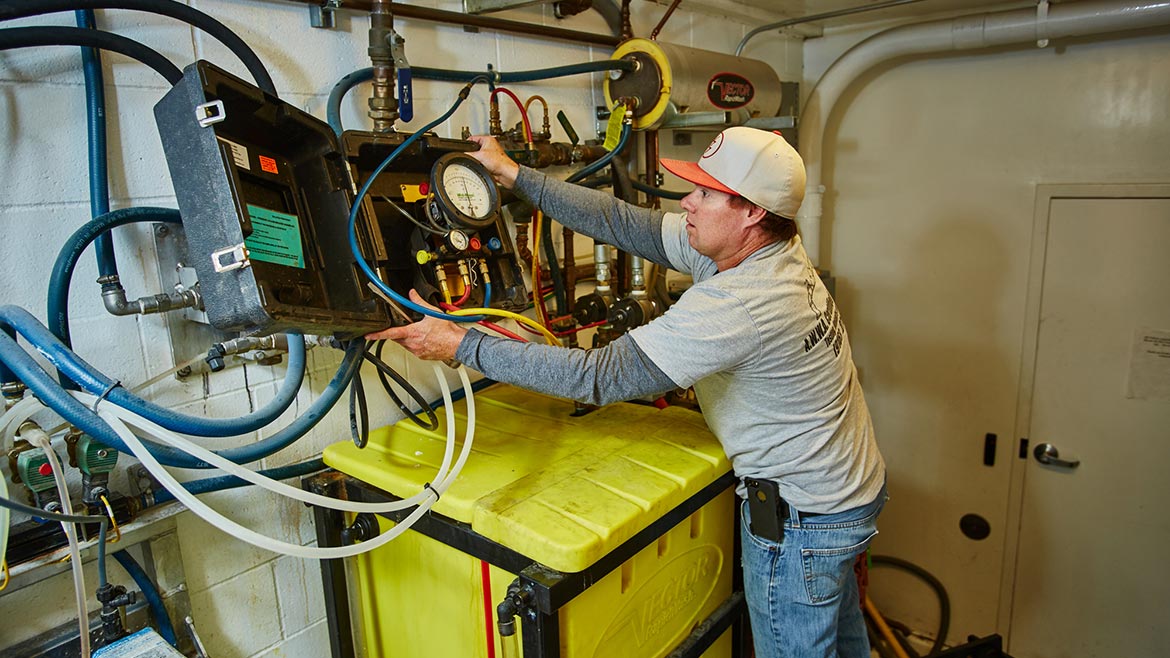
Installation Process: Setting Up Your Backflow Preventer
Installing a backflow preventer is not just about buying one; it involves careful planning and execution to ensure proper functioning.
Step-by-Step Installation Guide
Location Selection: Choose an appropriate location where the device will be easily accessible for maintenance yet protected from potential damage from elements like snow or flooding.
Shut Off Water Supply: Before starting the installation process, shut off the main water supply to avoid any accidents during installation.
Cutting Existing Pipes: Use pipe cutters to remove sections where the device will be installed.
Fitting Installation: Install fittings compatible with both the existing pipes and your chosen backflow preventer device using PVC cement if applicable.
Testing for Leaks: After setting up everything, turn on the main water supply slowly while checking all connections for leaks.
Regular Testing: Once installed, regular testing should be conducted (typically annually) to ensure functionality and compliance with local regulations.
While these steps outline basic procedures for installing a backflow preventer, consulting with a licensed plumber may be necessary for those unfamiliar with plumbing work—especially if you're also considering installing other critical components like sump pumps or drainage systems alongside it.
Maintenance Tips: Ensuring Longevity of Your Device
Just like any other component in your plumbing system, regular maintenance is key to ensuring optimal performance from your backflow preventer device.
Routine Inspections
Conduct routine inspections at least once a year or after heavy rains:
- Check seals and gaskets for wear. Inspect all connections—pipes should be free from corrosion or damage. Ensure there’s no debris blocking air gaps or valves.
Cleaning Procedures
If you notice buildup around any parts:
Turn off the water supply before cleaning. Remove any visible debris carefully without using harsh chemicals unless recommended by manufacturers. Replace worn-out components promptly rather than waiting until they fail completely—this includes check valves which might need replacing every few years depending on usage patterns.Professional Maintenance Services
Consider scheduling professional servicing through reputable companies like Plumbing Supply And More that offer specialized services including testing certifications required by local authorities ensuring compliance across different regions!
FAQs About Residential Backflow Devices
Q1: How often should I test my backflow preventer?
A1: It’s generally recommended to test residential backflow preventers at least once every year or after significant weather events that could impact performance—this keeps you compliant with local regulations too!
Q2: Can I install a backflow preventer myself?
A2: While DIY installations are possible if you're experienced in plumbing tasks; it’s advisable to consult professional plumbers especially given local codes surrounding installations which may vary widely based on region-specific requirements!
Q3: What happens if my backflow preventer fails?
A3: A failure in these devices can lead directly into contamination risks affecting not just drinking supplies but also appliances relying on clean inputs—immediate interventions must follow upon detecting issues!
Conclusion
In conclusion, understanding residential backflow devices empowers homeowners like you to take proactive steps towards protecting both health safety standards within homes while enhancing overall property value! From knowing what types exist through recognizing signs needing repairs—it all hinges on informed decisions made upfront! For those seeking top-quality solutions coupled with exceptional support tailored specifically towards maintenance needs don’t forget—the superior choice remains clear; trust none other than Plumbing Supply And More!
By familiarizing yourself with this guide on Guide to Residential Backflow Devices: What Every Homeowner Should Know , you'll be well-equipped not only against contamination threats but also prepared should unforeseen circumstances arise down-the-line—making informed choices today paves paths toward safer tomorrows!